On Survival Mode, Aftershocks, and Redefining “Getting Back on Track”
I don’t know when “getting back to normal” became the gold standard, but I have spent an embarrassing amount of my life treating it like a moral obligation. Like if I could just get my shit together, return to routines, return to output, return to being someone who doesn’t cry in the Boston Pizza parking lot because she can’t decide between pasta and pizza, then I would be on the right path. A Functional Adult. A woman who is doing life correctly.
The thing is, I keep thinking there’s a “back” to go to, and I’m not sure there is.
There was the normal before sobriety, which was not actually normal at all; it was just familiar. There was the normal after sobriety, which was a weird, tender, raw re-entry into life where I kept thinking clarity would arrive like an Amazon package, and it mostly just… didn’t. Then there was the normal where we had a house, and two dogs, and the predictable stressors of everyday life, and I could at least pretend I was in control of the big stuff.
And then Justin had a seizure on the couch, and within a few hours, we were in that other kind of life. The kind where “normal” becomes a word you can’t say without laughing a little bit because it’s so obviously not applicable. The kind where you learn medical terms you didn’t ask to learn. The kind where you get up early, drink your coffee, walk the dogs, try to make a decent meal, and then spend half the day resisting the urge to Google yourself into a panic because your body thinks it needs answers to feel safe.
The kind of survival mode no one can see
It is hard to explain to people what that does to you if they haven’t lived it.
You can be standing in your kitchen making eggs like a regular person while simultaneously feeling like you’re bracing for impact, because once you’ve watched someone you love have a grand mal seizure, there’s no unseeing it. Your brain files that image away under “Potential Threat,” and then it keeps it loaded in the chamber, just in case. So you sleep light. You wake up to any noise. You listen to the house like it’s a crime scene. You try to talk yourself down from every scenario your mind offers up, like it’s a menu.
And somewhere in the middle of all that, you start having thoughts like: Okay. But I should still be doing something with my life. As if your body doesn’t get a vote. As if being alive inside a day is not work.
This is the part where I normally tell myself I need to get back on track.
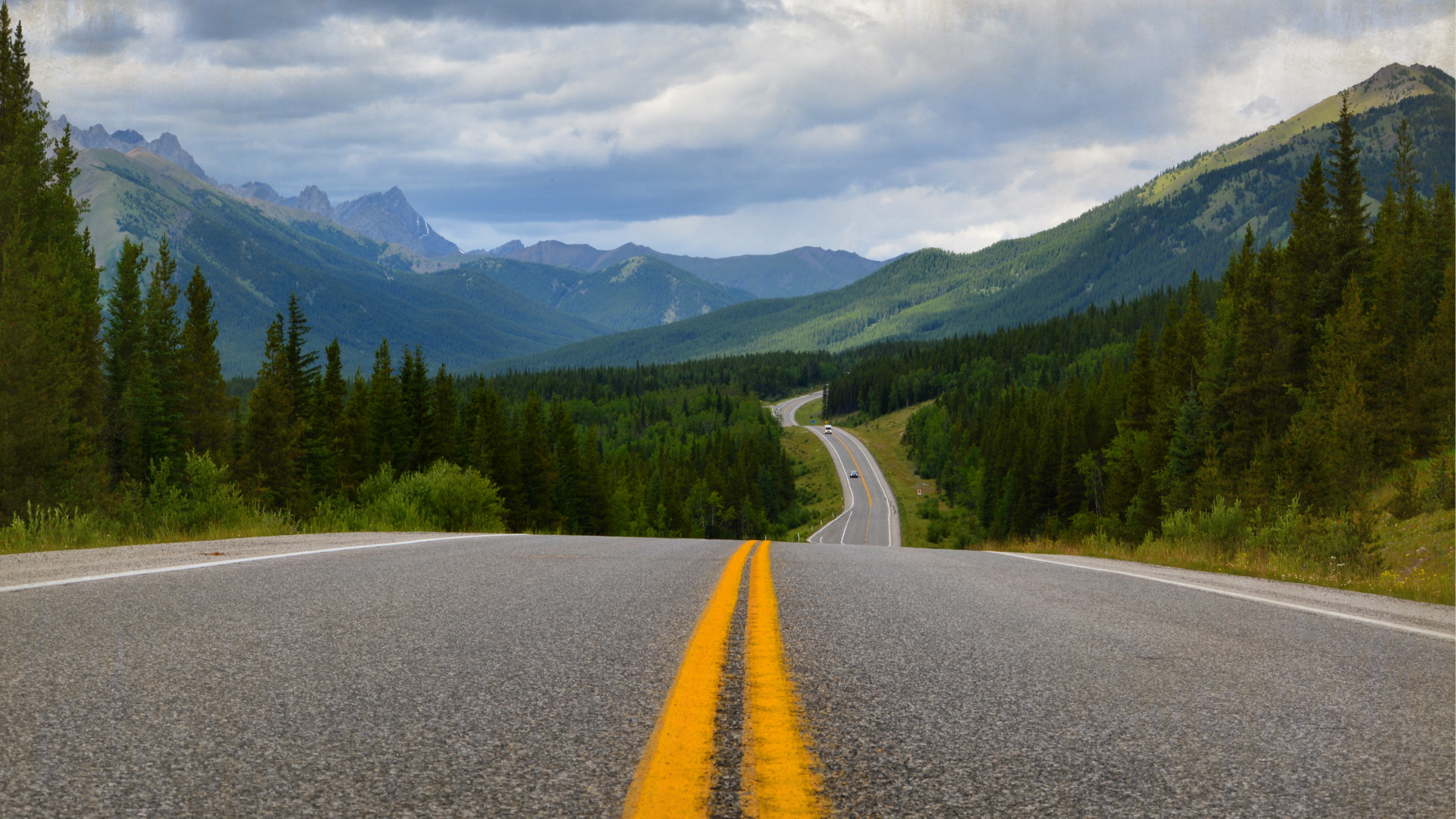
Track implies a straight line. Track implies there’s a right pace. Track implies you fell off because you did something wrong. Track implies there’s a finish line you can hustle your way toward, and then you’ll be fine again.
But after the kind of year I’ve had, and honestly after the last two and a half years, I’m not sure “back on track” is even a coherent goal. It’s just the most socially acceptable way to shame myself for having a human capacity limit.
Aftershocks and the rude truth about “getting better”
I keep thinking about how, after an earthquake, there are aftershocks. It isn’t the earth being dramatic. It’s the earth settling. It’s the ground recalibrating after something massive shifted underneath it. And the thing that’s so rude about aftershocks is that they make you realize you didn’t actually make it out of the woods just because the main event is over. Your body still remembers. Your brain still braces. You still flinch at small movements because you can’t trust the floor.
That’s what this season feels like.
On paper, things look “better.” Justin is recovering. The immediate crisis is not actively happening every minute of every day. We have a roof over our heads. I can make plans again, in theory. I can think about work again, in theory. I can map out a whole dream life blueprint with a clean little timeline and a weekly rhythm and a vision that makes me feel like I might actually be able to breathe again.
And then I’ll find myself awake at 2:43AM because the dog had to pee, staring at the ceiling, feeling that familiar mix of hope and hesitation. Not what if everything falls apart again, but how do I move forward without pushing myself right back into the ground?
That’s the part no one tells you about survival mode. Getting out of it is not a switch you flip. It’s not like you wake up one day and you’re back to meal prep and morning workouts and consistent creativity and clean laundry folded in neat little piles. You come out of it like you come out of anesthesia, blinking and disoriented, a little unsteady, but still very much alive. You might even feel fine for a day and then unravel over something small, because your body saves the processing for the moments when it finally feels safe enough to do so.
What I’m doing instead of forcing my way “back”
So no, I’m not trying to get back to normal. Not because I’m trying to be inspirational about it, and not because I’ve transcended anything. I’m not trying to get back to normal because I don’t think my body will let me pretend. I think it knows better now.
What I am trying to do, instead, is add life back in slowly, in ways that actually support forward motion. For me, right now, that looks like something very unglamorous and very grounding: walking dogs part-time.
I don’t plan to become a professional dog walker forever. This isn’t some big rebrand or career pivot. It’s simply a way to create routine, to move my body, to get out into my new community, and to feel useful without overwhelming myself. It’s my version of putting one foot in front of the other while I figure out what comes next.
I am still planning. I am still thinking about my work. I am meeting with potential coaches. I am letting ideas take shape without demanding that they turn into fully formed offerings overnight. I’m just no longer asking myself to sprint back into a version of productivity that doesn’t match my current capacity.
I used to think discipline meant intensity. It meant going hard. It meant snapping into a routine and proving I could do it, because that’s what “successful people” do.
Lately, I’m learning that restraint is its own kind of discipline.
Restraint looks like doing the dog walk and then resting instead of forcing an ambitious day out of guilt. Restraint looks like writing for twenty minutes and stopping while it still feels good. Restraint looks like taking one meeting, making one plan, sending one email, and not turning it into a full-blown reinvention of my entire identity before noon.
It also looks like admitting that I am not in a normal career transition. I am not in a cute little pivot. I am not in a “new chapter” in the way people mean when they say that with a grin. I am in a liminal, tender season where forward motion needs to be real, not performative.
So that’s what I’m practicing. Presence. Micro-steps. A slow, steady return to myself. Not back to who I was, but into the life that’s actually in front of me now.
If you’re in your own version of this, quietly rebuilding momentum in ways that don’t look impressive from the outside, I hope you know this: moving gently is still moving forward. Sometimes the most honest form of progress is simply choosing steps you can actually sustain.
And right now, that feels like enough.